












by ICAN3
Five practical changes that begin with the food you already buy
You arrive at the grocery store with a short list. A few price checks later, the healthier meals you planned feel out of reach. It is tempting to think eating well requires expensive ingredients, special powders, or a completely different way of cooking.
Begin with the meals your household already enjoys. Look for one affordable change that makes a regular meal more nourishing, without creating extra waste or work.
A study by Anne-Julie Tessier and colleagues, published in Nature Medicine in March 2025, linked several nutritious dietary patterns with healthier aging. It followed more than 105,000 US adults and found associations, not proof of cause and effect. Plant foods featured prominently in the patterns studied. The shopping ideas below are practical examples, not a meal plan tested by that study.
Make one familiar meal go further
If you cook a meat stew, try replacing part of the meat with beans or lentils. Add a small amount first so your household can adjust to the texture. Compare the actual prices where you shop; a substitute is only economical if it costs less and gets eaten.
Keep the seasoning and cooking style you enjoy. A practical change should work with your food traditions and the time you have available.
Compare fresh frozen and canned options
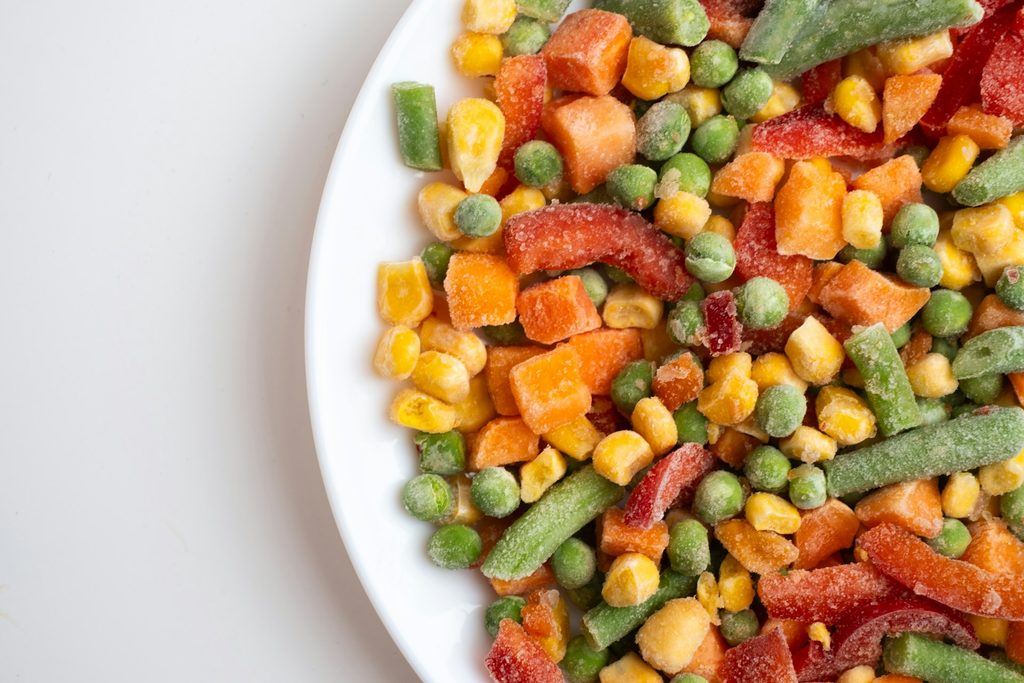
Fresh produce is useful when it is affordable and you can finish it. Frozen vegetables can be convenient when you need a small portion. Canned options may suit households with limited freezer space.
Check labels for added salt or sugar, and compare unit prices when available. Think about waste as well as the shelf price. A large bag that spoils can cost more per meal than a smaller package you finish.
Give drinks a place in the budget
Write down what you spend on soft drinks, sweetened coffee, juice drinks, or energy drinks during an ordinary week. Decide whether one purchase could become water or an unsweetened option you enjoy.
There is no need to change every drink immediately. One repeatable choice is a useful starting point. If plain water feels unappealing, try chilling it or adding a slice of fruit you already have.
Build a meal around what needs using
Before shopping, look through the fridge and cupboards. Choose a meal that uses the items most likely to spoil. A small amount of vegetables might become soup, a stir-fry, or part of an omelette.
In a fictional example, a household has rice, a partly used bag of frozen vegetables, and eggs. Buying one missing ingredient may be cheaper than shopping for an entirely new recipe. The useful question is, “What can become a complete meal with what is here?”

Buy a realistic amount
Bulk purchases can help when you have the money, storage, and a plan to use them. They can also tie up money needed for other essentials. Choose quantities that fit your circumstances.
If your food budget cannot cover enough food, that is a resource problem, not a personal failure. Community food programs and benefit supports may help. Dietary needs also vary; seek suitable professional guidance if a medical condition requires a particular eating plan.
Make the experiment easy to remember. Put the revised meal on the same evening you usually cook it, and write the change beside the recipe or shopping list. Ask other household members what they would keep or change. Their feedback can prevent spending money on an ingredient that looks useful on paper but remains untouched in the cupboard.
Try this…
Choose three meals your household already likes. Make one affordable change to each, write a shopping list, and keep the receipt. At the end of the week, ask what tasted good, what was actually eaten, and whether the change fitted your budget. Keep the changes that worked.
