













You can do everything right, lose anyway, and still be ready for the next chance.
By Timothy Wilson
There is a particular disappointment that only comes from getting close.
You have worked, sacrificed and delivered enough to believe this could be your moment. Then somebody else lifts the trophy. Somebody else hears their name called.
This week, two of the world’s best athletes went through that in public.
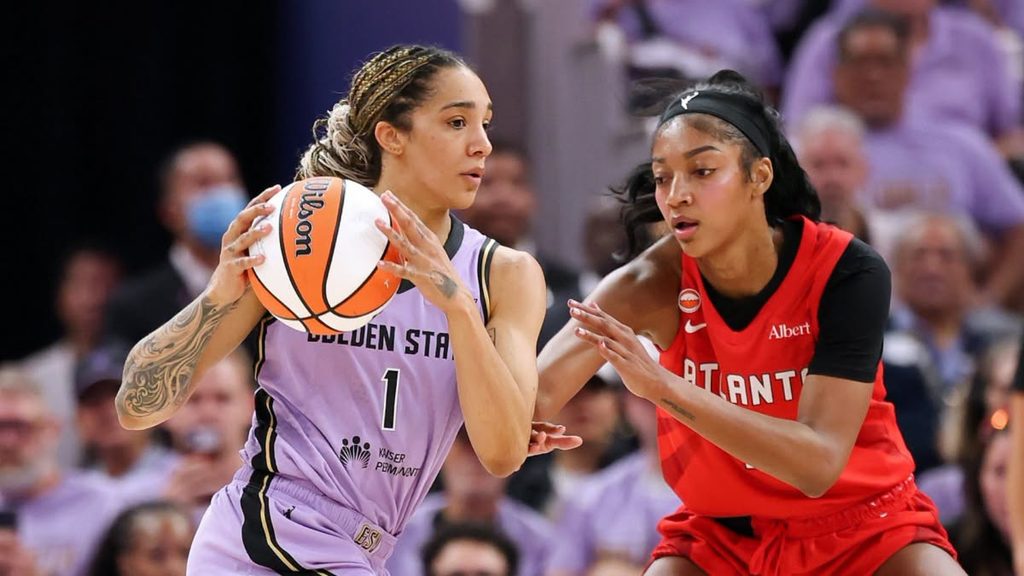
On October 31, Angel Reese and the Atlanta Dream lost Game 7 of the WNBA Finals to the Golden State Valkyries, 68–63. The Dream had forced the decider by winning Game 6, so they were one win from the title. Reese finished with eight points and 12 rebounds, the most on her team.
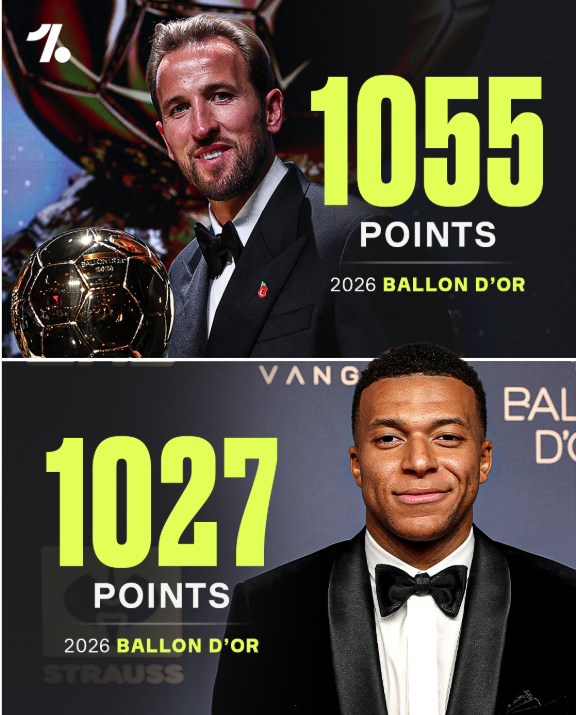
Five days earlier, Kylian Mbappé finished second in the 2026 men’s Ballon d’Or voting. At the ceremony in London on October 26, Harry Kane took the award after a 73-goal season. Mbappé ended one place short.
These are not the same kind of loss. Reese lost a championship that she and her teammates were chasing together. Mbappé lost a comparison among outstanding players, decided by voters. Both losses make the same point: personal effort, however great, cannot guarantee the ending we want.
The hard truth about giving your best
Hard work improves your odds. It builds skill and prepares you to recognize an opening. It cannot remove the competition, control other people’s decisions, or make every performance your finest.
Basketball makes this plain. Scoring, rebounding, defending and decision-making have to fit together across a roster, and in Game 7 they did not quite fit for Atlanta. The Dream shot 33% from the field and 20% from three-point range. The Ballon d’Or works differently. It sets one player beside another and relies on the judgment of those who vote.
Accepting those limits is not the same as excusing yourself. Reese went 3-for-7 and had four turnovers, and those details can be examined. Mbappé’s season can be measured against Kane’s. Respecting what both have done does not require claiming that either was owed the win.
So two things can be true at once. There is something to improve, and part of the result was never in your hands.
Most of us know this feeling
Our disappointments rarely play out before millions of viewers, but they can feel just as personal.
You prepare for an interview and get a rejection. You pour years into a business that eventually closes. You go after a promotion and watch it go to someone else. You invest in a relationship that ends.
Then comes the question: What more could I have done?
Sometimes that question leads to real answers. Other times it turns into an endless exercise in blaming yourself for things you could not command. A fair review leaves room for both:
- What did I contribute?
- Where did I fall short?
- What depended on someone else?
- What would I change if another chance came?
Those questions give disappointment somewhere useful to go.
Rebounding begins before the next victory
In basketball, a rebound begins with a miss. The player has to read where the ball is going, find position, and move while the chance is still alive. Reese did that 12 times in a Game 7 that slipped away from Atlanta in the second half, three of them on the offensive end. Effort shows up in places the final score does not capture.
Recovering from a personal setback takes a similar readiness, though it usually moves much more slowly.
First, acknowledge the loss. A missed chance can hurt even when people tell you to be grateful you came close. Give yourself time to absorb it.
Then review what happened with someone who is both supportive and honest. Pick one or two changes that would improve your next attempt, and find the training, cooperation or practical help those changes require.
Finally, keep taking small steps. Update the application. Rework the plan. Go back to practice. Have the conversation. The next attempt may call for a different approach, a different setting or a different goal, so be willing to adapt.
Their stories are not finished
Expect Reese and Mbappé to chase new opportunities with determination. Future championships and awards are uncertain, but these losses do not close their careers.
Mbappé has already shown that excellence and heartbreak can share the same night. In the 2022 World Cup final he scored a hat-trick and converted his penalty in the shootout, and France still lost to Argentina. His performance was remarkable whatever the result.
That is worth remembering for the rest of us. A loss deserves attention, but it should not become the only evidence we use to judge our ability or our future.
Reese and Mbappé will get their chances to respond. We will get ours. The next one may arrive before we feel ready, so keep enough hope, discipline and flexibility to go after the rebound.
