


Media and Youth Programming: Strategies, Impact, and Opportunities for Engagement
Media plays a significant role in the lives of young people today. It shapes their worldview, influences their connections with others, and facilitates the acquisition of new skills. For educators, community leaders, and parents, understanding the impact of media is crucial for guiding youth in positive directions.
When utilized thoughtfully, media transforms into a powerful tool not only for entertainment but also for education, creativity, and community building. Developing effective youth media programs is essential to help young people navigate and thrive responsibly in this digital landscape.
The Evolution of Media and Its Impact on Youth
The Rise of Digital Media and Social Networks
Advances in technology have revolutionized the way young people access and share content. Platforms such as TikTok, Instagram, and YouTube have become integral to their daily routines. Today’s teenagers spend several hours each day scrolling, posting, and interacting on these sites. Recent studies indicate that adolescents spend an average of over seven hours daily consuming media, much of which is online. This shift signifies that media now exerts a greater influence on their perspectives, behaviors, and social interactions than ever before.

Media Influence on Youth Development
Media significantly influences essential aspects of youth development, including identity, self-esteem, and social skills. Positive representations can enhance confidence and promote self-expression. However, there are also risks involved. Excessive exposure to cyberbullying, harmful content, or misinformation can negatively impact mental health and distort reality.
Young people are particularly susceptible to online peer pressure, which can shape their habits and beliefs. Recognizing these effects enables parents and educators to guide young users toward healthier media consumption practices.
Trends Shaping Youth Media Engagement
User-generated content has become paramount—young people are actively creating and sharing their own videos, memes, and stories. This peer influence renders the media landscape more personal and authentic. Live streaming, podcasts, and gaming are intricately integrated into youth culture, fostering innovative ways to connect and learn. These trends are transforming how young people communicate, acquire knowledge, and establish connections, thereby creating new opportunities for programming that aligns with their interests.
The Role of Media in Youth Education and Skill Development
Educational Media Programs
Many schools and nonprofit organizations have begun utilizing media to teach essential skills. For instance, programs such as “Stu Voice” in schools focus on media literacy and responsible online behavior. Initiatives like these demonstrate how media can enhance STEM subjects, the arts, and literacy. By creating videos, podcasts, or digital stories, young people gain hands-on experience, making learning more engaging and relevant.

Media Literacy as a Critical Skill
Teaching young people how to critically evaluate online content is more important than ever. Children need to ask themselves: Is this source trustworthy? What is the purpose of this message? Incorporating media literacy into lessons and activities equips them to identify fake news, avoid scams, and think critically. Schools can integrate media literacy into their curriculum or offer after-school workshops to promote continuous learning.
Digital Creativity and Content Creation
Providing young people with opportunities to create media fosters the development of valuable skills. They can learn storytelling, filming, editing, and even coding. Youth media projects and competitions allow students to showcase their talents and build confidence. For instance, local contests for short films or digital art encourage creativity and teamwork, while also giving young people a voice that can reach broader audiences.
Challenges and Ethical Considerations in Youth Media Programming
Addressing Accessibility and Inclusivity
Not all young people have equal access to media devices or the internet. Programs should aim to bridge this gap. This may involve providing tablets, establishing free Wi-Fi hotspots, or creating tailored content for underserved communities. Ensuring that every young person can participate enhances diversity and helps dismantle social barriers.
Protecting Youth Privacy and Well-Being
Safety online is a top priority. Policies that promote safe media usage, such as clear guidelines for sharing personal information and recognizing cyberbullying, are essential. Educators should instruct children on how to protect themselves and report harmful behavior. Identifying signs of stress or anxiety related to media use is crucial for preventing long-term issues.
Ethical Content Development
Promoting positive messages and diversity through media is essential. Content should avoid stereotypes, sensationalism, and harmful language. Encouraging young people to create respectful and inclusive content not only enhances their skills but also sets a positive example for their peers.
Best Practices for Designing Effective Youth Media Programs
Engaging Youth Through Participatory Approaches
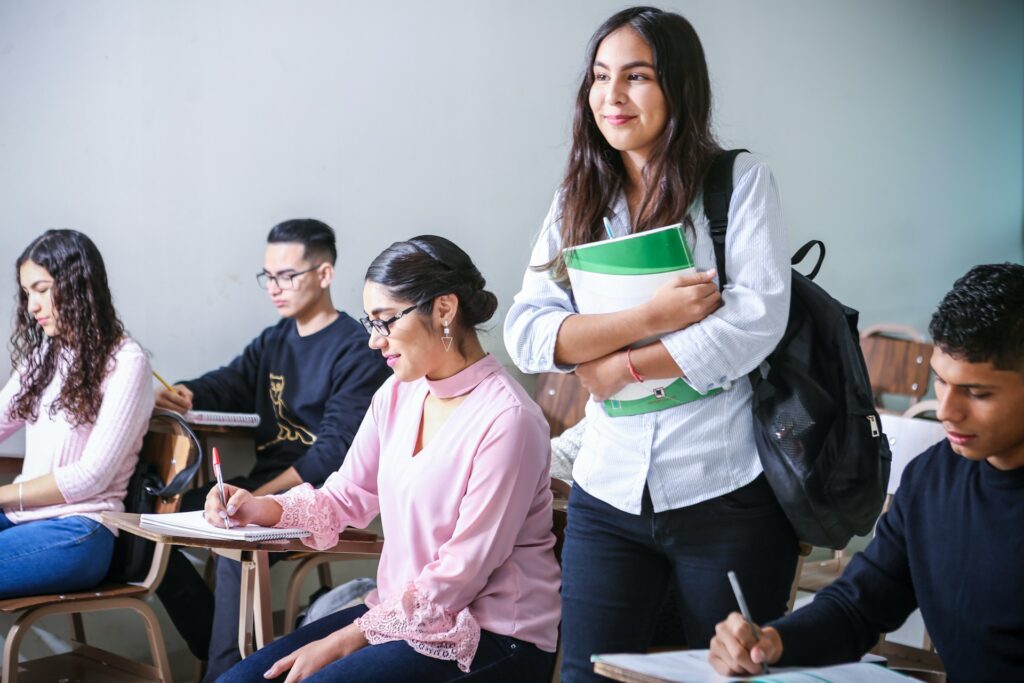
Letting youth take the lead enhances the success of programs. Co-creating content and allowing young people to select topics fosters a sense of ownership. Providing them with genuine feedback opportunities and actively listening to their ideas cultivates a sense of belonging and encourages continued participation.
Collaborations and Partnerships
Working with schools, community organizations, and media companies enhances the capabilities of various programs. Mentorship from industry experts offers valuable insights and inspiration. These partnerships promote skill development and create opportunities for future careers.
Measurement and Evaluation
Tracking progress is essential for improvement. Utilizing surveys, attendance records, and skill assessments helps evaluate what is effective. Collecting data enables organizers to refine programs and highlight successes, thereby attracting additional support and funding.
Future Trends and Opportunities in Youth Media Programming
Innovations in Technology
Emerging tools such as virtual reality, augmented reality, and artificial intelligence offer exciting possibilities for innovative learning experiences. These technologies can transform storytelling and education into more immersive and interactive endeavors, captivating young imaginations like never before.

Growing Emphasis on Mental Health and Well-Being
Many media projects now emphasize mental health, resilience, and mindfulness. Interactive applications, social campaigns, and content created by young people promote self-awareness and support mental well-being. This emphasis transforms media into a valuable resource for healing and empowerment.
Policy and Funding Landscape
New laws and funding sources are facilitating the development of impactful youth media programs. Stakeholders, including governments, non-profit organizations, and private firms, are increasingly investing in initiatives that empower young people through media. Staying informed about these opportunities can help expand successful projects.
Conclusion
The media has incredible potential to shape and empower youth when used wisely. From fostering creativity to teaching essential skills, effective media programs can drive positive change. However, this space requires careful consideration, inclusivity, and ethical standards to genuinely benefit young people.
As we move forward, investing in innovative and responsible youth media initiatives will help create a brighter, more engaged society for all. Whether you are an educator, parent, policymaker, or community member, your role is crucial. Together, we can guide youth in using media as a tool for growth, connection, and positive societal impact.

Call to Action
At iCan3, we have observed, experienced, and evaluated the impact of media, including social media and other outlets, on the lives of young people. We are seeking partners and stakeholders such as governments, non-profit organizations, parent-teacher – associations, and private firms to harness the significant opportunities that media presents.
Timothy Wilson – founder/ceo