











Story by Stars Insider
There are lots of reasons one may decide to pursue a side hustle. Making a bit of extra cash, for example, or feeling the satisfaction of creating something, are often cited by people as reasons for deciding to have a side project.
Becoming a millionaire, or even a billionaire, however, is not often on the list of reasons. Yet some of the world’s biggest and best-known companies began as side hustles.
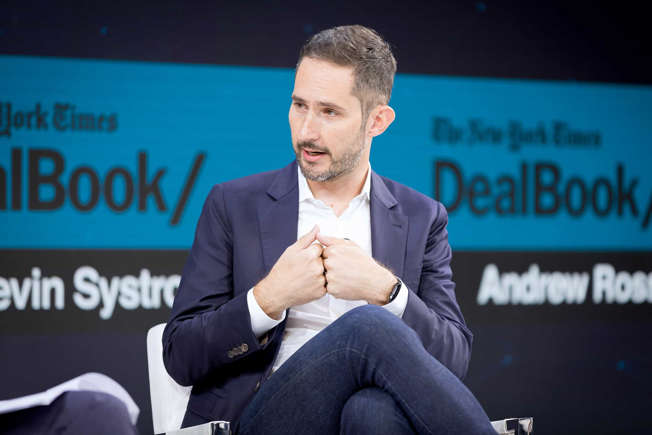
Before he launched Instagram with co-founder Mike Krieger, Kevin Systrom was working as a Product Manager for Nextstop.com by day and building mobile check-in app Burbn by night. Having decided that the primary focus of Burbn should be photo-sharing, Systrom and Krieger launched Instagram in 2010. In 2012, Meta bought the company for US$1 billion.
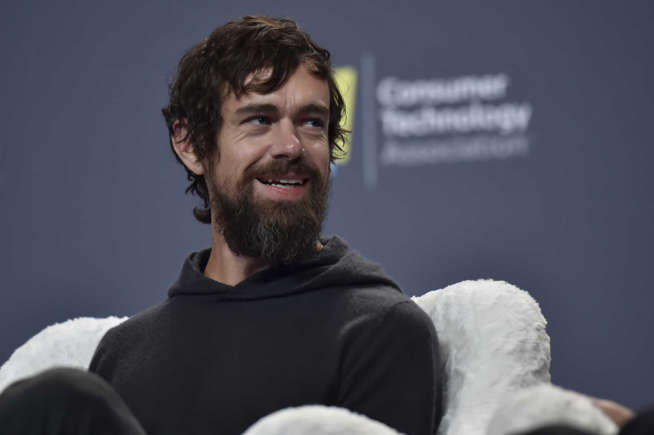
It was in 2005 while he was working at podcast platform Odeo that Jack Dorsey created Twitter, a site where people could update their status in real time. Twitter remained a side hustle until it was renamed ‘Twitter’ and officially launched in July 2006. To this day, Twitter, rebranded as X, remains one of the most popular social media platforms.
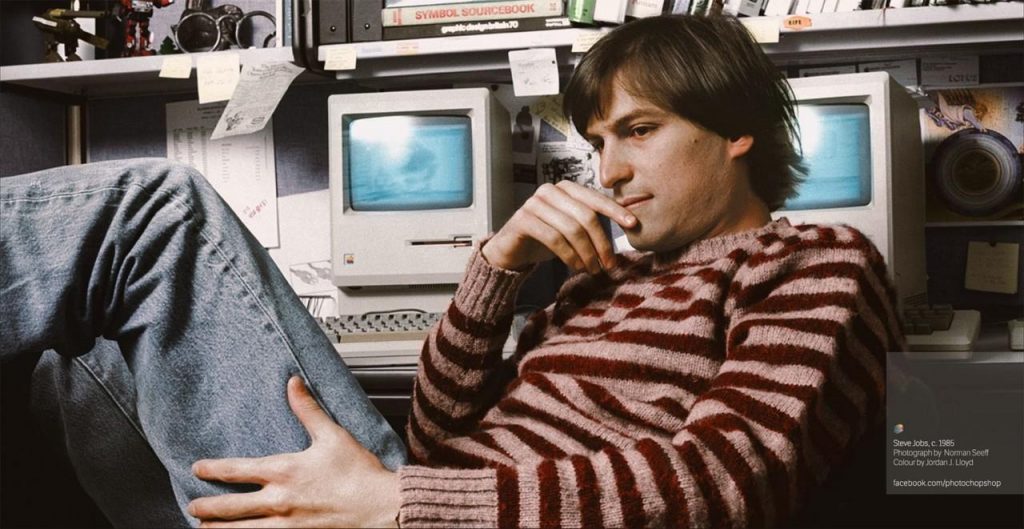
Apple
In 1976, Apple co-founders Steve Jobs and Steve Wozniak developed their first product, the Apple I, while also working full-time jobs at Atari and HP (respectively). Despite the refusal of Jobs’ boss to invest in the Apple I, the company nonetheless grew quickly. Today it is one of the world’s most valuable companies.
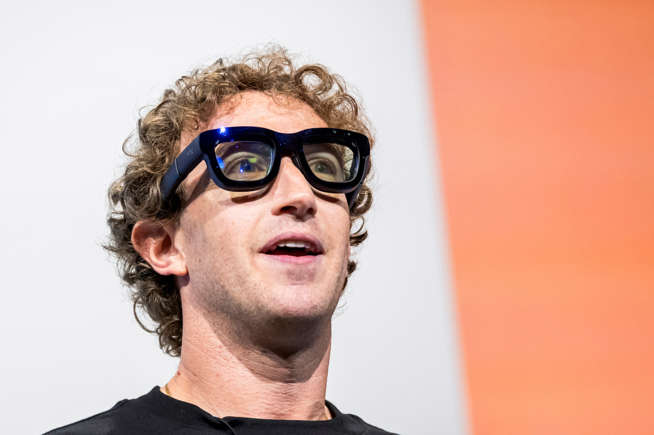
In 2004, Mark Zuckerberg and his friends were inspired to create Facebook, a social networking site that was accessible only to Harvard students. Soon the site had expanded to other colleges and today Facebook, rebranded as Meta, is considered one of the world’s main social media platforms. In 2024, it registered close to three billion active users.
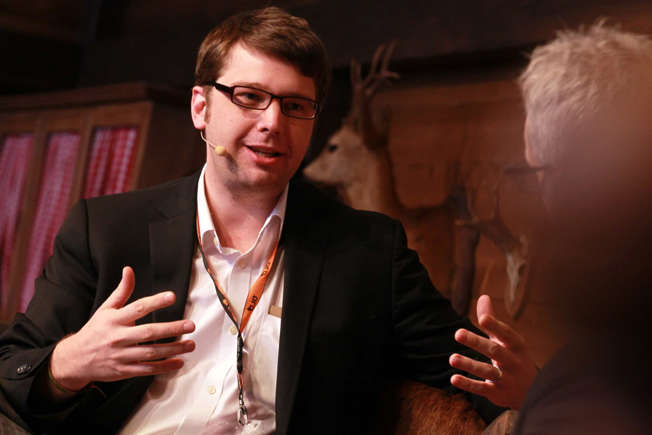
Groupon
Before it became Groupon, Andrew Mason’s business venture was a web tool called The Point. Founded in 2006, the tool’s aim was to bring people together to achieve a common goal. In November 2008, The Point became Groupon, a site dedicated to offering group discounts. By October 2010, Groupon was available in 250 cities and had 35 million registered users.
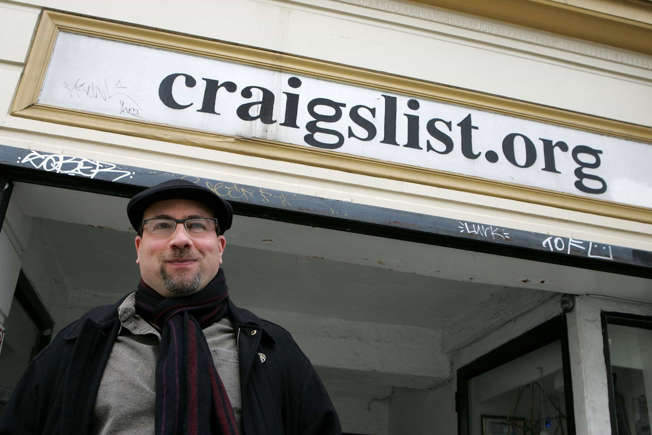
Craigslist
The classified ads website Craigslist started in 1995 as an email that founder Craig Newmark sent to his friends. It highlighted events happening around San Francisco. In 1999, Newmark quit his job to turn Craigslist into a company. It expanded quickly and now covers 70 countries, although the website retains its original, minimalist aesthetic.
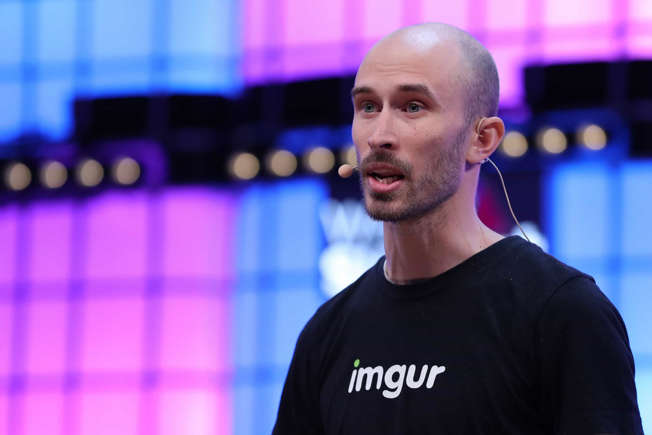
Imgur
Imgur creator Alan Schaaf was studying at Ohio University when he decided to develop an image uploader to compete with PhotoBucket. Imgur took him a mere two weeks to build. In its first year, Imgur had half a million page views each month, and by 2011 Schaaf had moved the business to San Francisco to officially become a company.
Under Armour
The idea for the product that would eventually be sold under the brand Under Armour first came to founder Kevin Plank when he was a college football player fed up with his sweaty shirts. He developed a shirt that would not absorb sweat and sent it to NFL players. Nowadays, Under Armour is a market leader and in 2019 it had a revenue of US$5.3 billion.
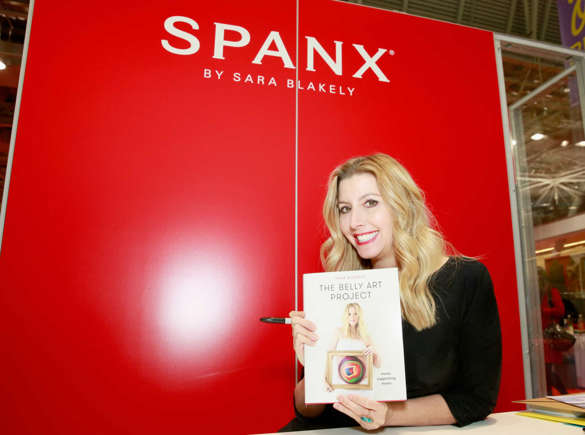
Spanx
It was while Sara Blakely was getting ready for a night out in the late 1990s that she decided to cut the feet out of her pantyhose and the idea for Spanx was born. Once she had a manufacturer on board, work on the prototype began. Spanx the company was founded in 2000, and in 2012 Blakely became the youngest female self-made billionaire.
Yankee Candle
As a teenager in 1969, Yankee Candle founder Mike Kittredge made a candle for his mom. The product was so popular with the neighbors that he began to sell the candles from his garage. Four years later, Yankee Candle moved into a paper mill in Massachusetts and in 1998 the company was sold for a whopping US$500 million. Today it has over 475 stores worldwide.
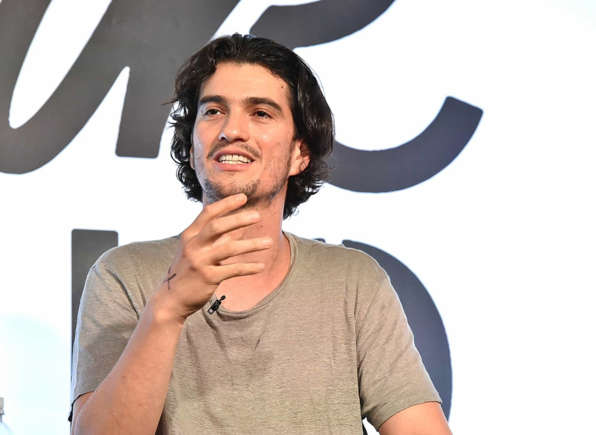
WeWork
WeWork founder Adam Neumann was heading up baby clothing company Krawlers, when he and architect Miguel McKelvey noticed that their office building had several vacant spaces. Initially, the duo launched Green Desk, which rented out the spaces in that building. WeWork was then born in 2011. In 2019, it had a revenue of US$3.5 billion. More recently, WeWork has undergone financial and operational restructuring for better operations.
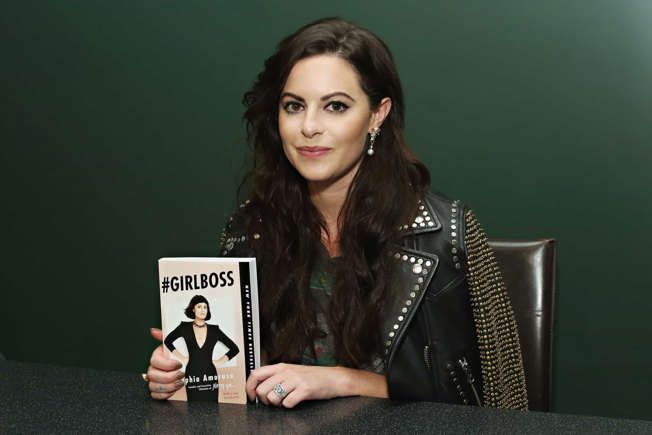
Nasty Gal
In 2006, Sophia Amoruso launched the San Francisco-based eBay site Nasty Gal. With a name inspired by Betty Davis, the site sold vintage fashion items. Having spent its early days as an online operation, Nasty Gal occupied its first warehouse space in 2009. By 2012, it was named “Fastest Growing Retailer” by INC Magazine.
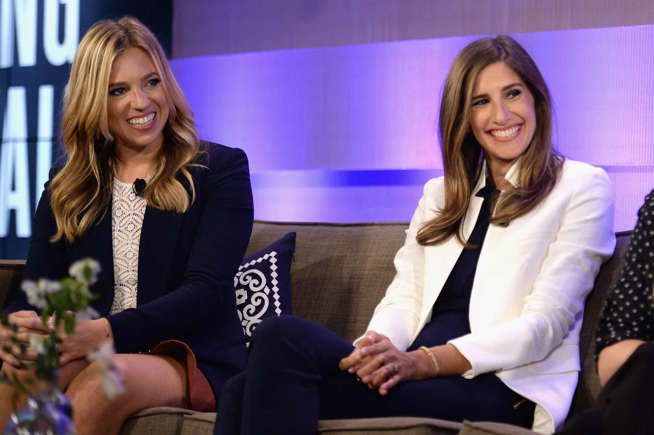
TheSkimm
Media company TheSkimm is the result of Carly Zakin and Danielle Weisberg’s shared passion for disseminating news. The idea started as a curated news list to send to people’s email inboxes. With no investment and just US$4,000 between them, the credit card debt soon racked up. But with their first email everything changed, and TheSkimm now has over seven million subscribers.
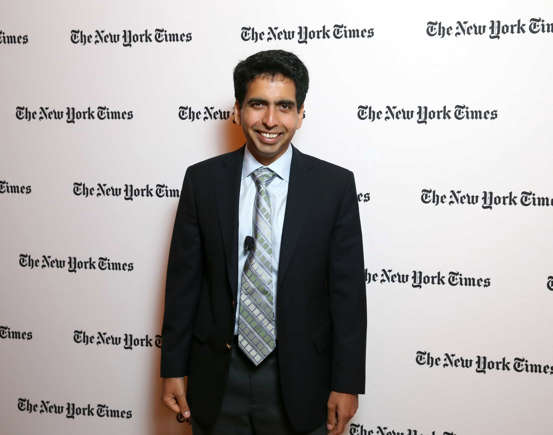
The Khan Academy
The Khan Academy founder Sal Khan had a day job at a hedge fund when he first started tutoring his cousin online in 2004. Quickly more family members came to demand his services. In 2009, he quit his job to focus on the project full time. The Khan Academy has since received a US$1.5 million donation from the Bill & Melinda Gates Foundation.
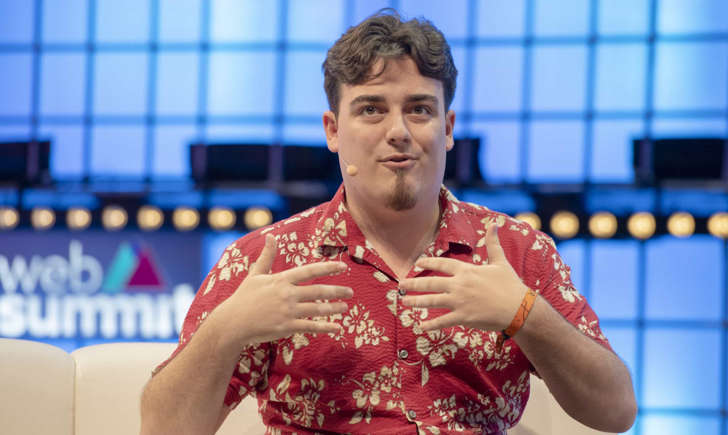
OculusVR
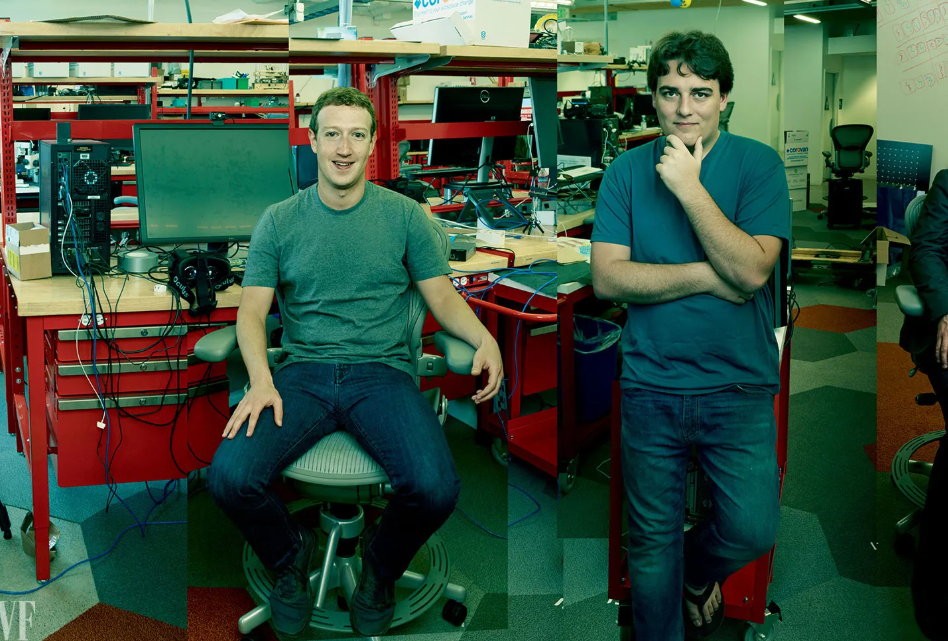
OculusVR’s co-founder Palmer Luckey built the virtual reality glasses from his garage. He was studying journalism and working as an engineer at the time. Eventually, Luckey dropped out of college to focus on his side project full time. OculusVR raised US$2.4 million on Kickstarter and was bought for $2 billion in 2014 by Meta.